

Behind Shibuya’s neon crossing is a backstreet izakaya scene that still runs almost entirely on cash.
Where You’ll Run Into This
Nonbei Yokocho (Drunkard’s Alley) — a tiny, historic alley of matchbox-sized bars near Shibuya Station, largely unchanged since the 1950s
Shibuya Yokocho — a retro alley food hall with individual stall operators, many of them cash-only
Backstreets around Dogenzaka — small izakaya and yakitori spots tucked off the main streets
Standing bars (tachinomi) — a common, inexpensive format throughout the area, almost universally cash-based
Why These Spots Stay Cash-Only
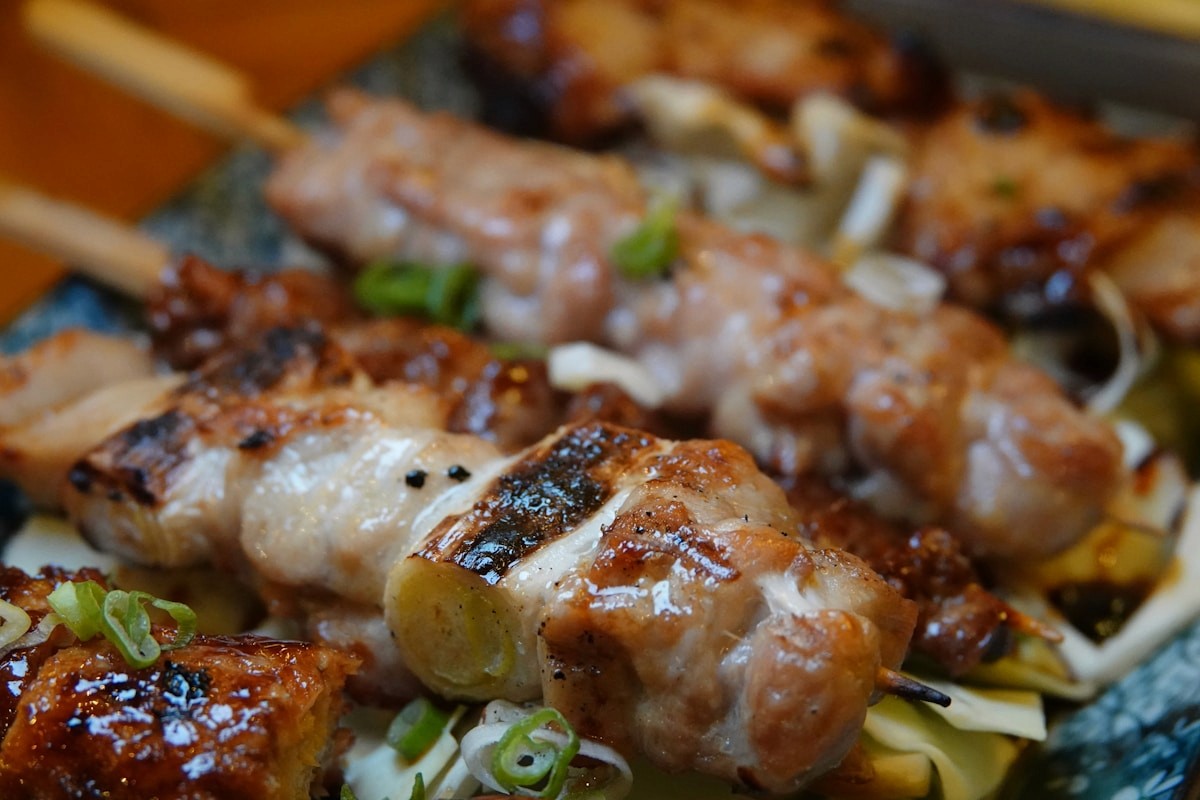
Most of these establishments are genuinely small operations — often just one or two people running the entire counter — serving ¥300–500 drinks and skewers. Card reader fees eat directly into margins that thin, and decades of cash-paying regulars have never given owners a strong reason to change. It’s less a policy decision than simply how the neighborhood has always worked.
What About IC Cards?
Some larger, newer izakaya chains do accept Suica or Pasmo, but the small backstreet spots that give this scene its character typically don’t. Treat IC card acceptance as a pleasant surprise rather than something to plan around.
→ IC Cards Explained: Suica vs Pasmo vs ICOCA
How Much Cash to Carry for a Night Out
A casual evening hopping between two or three spots — a few drinks and skewers at each — often runs somewhere in the ¥3,000–6,000 range per person. We’d suggest carrying a bit more than you expect to need, since backstreet ATMs can be less convenient to find once you’re deep into an evening out.
→ How Much Cash Should You Bring to Japan? A Budget Guide
Our Recommendation
Withdraw or exchange your cash for the evening before you head out, rather than counting on finding an ATM once you’re in the backstreets. Shibuya Station itself has reliable options nearby if you need to top up.
→ Best Places to Exchange Money in Shinjuku
No Need to Tip, Either
If you’re used to tipping in bars back home, you can relax on that front too — it’s not expected here, even at the smallest counter spots.
→ Tipping in Japan: Why You (Mostly) Don’t Need Cash for This
More on Tokyo
This guide is part of our broader look at managing money in Tokyo specifically.