

Suica, Pasmo, and ICOCA are all IC cards that work interchangeably on trains, buses, and at convenience stores across almost all of Japan. Which one you get comes down to where you land, not which is better, since day to day they function identically.
What IC cards actually do
An IC card is a rechargeable tap-to-pay card that replaces buying individual train tickets. Tap in, tap out, and the fare is deducted automatically, no calculating routes or fumbling with ticket machines at every station. The same card also works as a contactless payment method at convenience stores, vending machines, and a growing number of restaurants and shops, which makes it useful well beyond transit.
Since 2013, the ten major regional IC cards, including Suica, Pasmo, and ICOCA, have been mutually compatible. A Suica bought at Narita works on the Osaka subway, and an ICOCA bought in Kansai works on the Tokyo Metro. For most travelers, this means the choice of which card to buy is really just a question of convenience at the point of purchase.
Suica vs Pasmo vs ICOCA: what is different
The differences between the three are mostly about who issues them and where they are easiest to buy, not what they can do for you as a visitor.
Card | Issued by | Easiest to buy at | Mobile wallet support |
|---|---|---|---|
Suica | JR East | Narita, Haneda, most Tokyo JR stations | Apple Pay, Google Wallet |
Pasmo | Tokyo private railways | Tokyo Metro and private line stations | Apple Pay, Google Wallet |
ICOCA | JR West | Kansai Airport, Osaka and Kyoto JR stations | Apple Pay only |
Tip: If your phone supports Apple Pay or Google Wallet, you can add a Suica or Pasmo digitally before you even land and skip the physical card line entirely. Top-ups can then be done from your phone.
Where to get one when you land
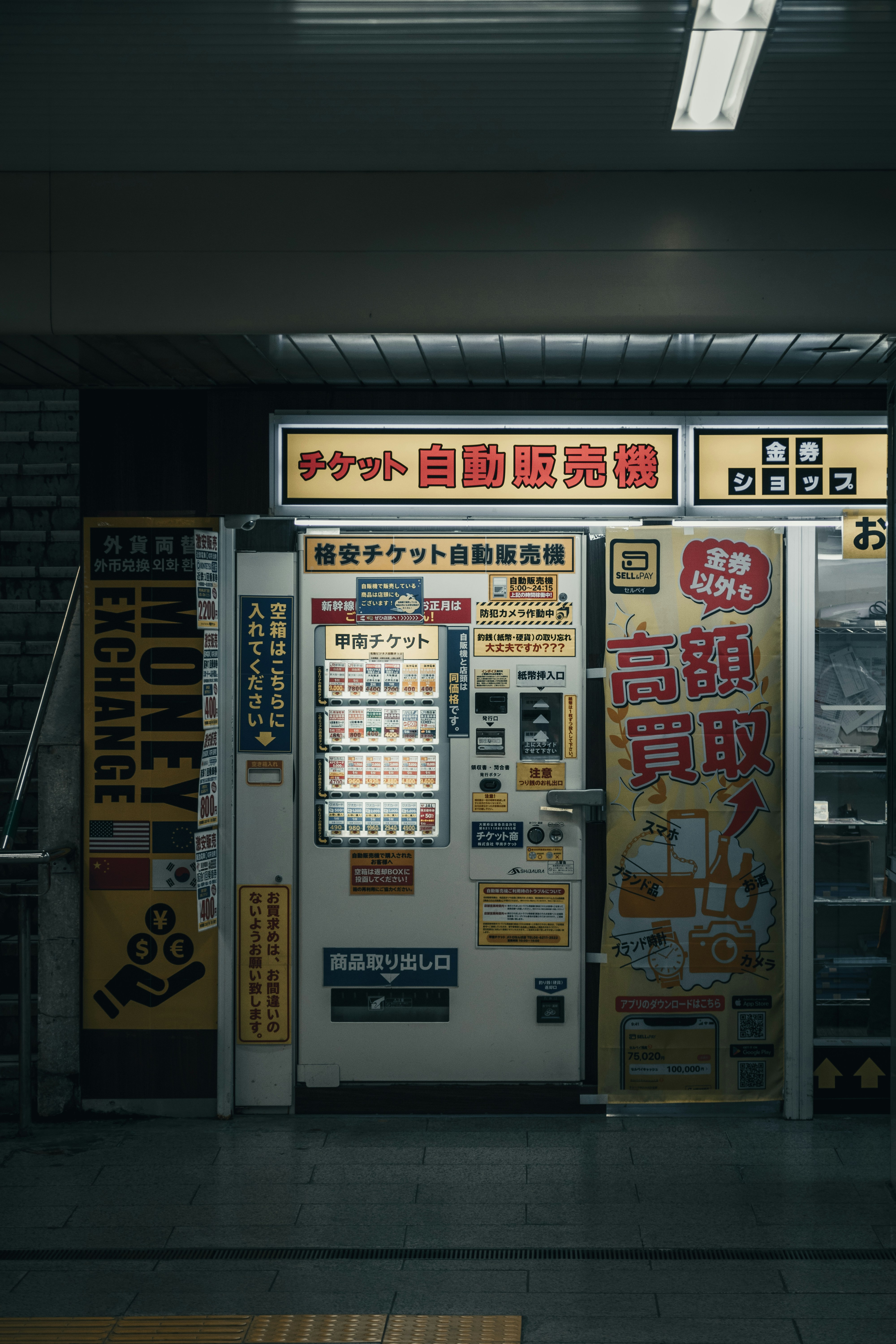
Physical cards are sold from ticket machines and staffed counters at any major station, and arrivals areas at Narita, Haneda, and Kansai Airport all have them within a few minutes walk of the platforms. You will need a small upfront amount to cover the cards initial balance, which typically requires cash or a domestic-friendly card at the machine.
SAVE ON YOUR EXCHANGE
Get your free exchange coupon
If you would rather have yen in hand before you queue for a card, show this coupon at any SMART EXCHANGE machine for a better rate than the counter, no sign-up required.
If a ticket machines cash slot is out of order or you would rather not carry a large amount of coins, exchanging a modest amount of yen before you reach the station avoids the issue entirely.
Topping up and getting your deposit back
Topping up is straightforward at any station ticket machine, insert cash, select an amount, and the balance updates instantly. Physical cards carry a small refundable deposit, and any remaining balance, minus a small handling fee in most cases, can be refunded at a staffed counter before you leave Japan. Mobile wallet versions skip the deposit entirely since there is no physical card to return.