
Not every ATM in Japan accepts foreign-issued cards — but the ones that do are everywhere, once you know where to look.
Which ATMs Actually Work for Foreign Cards
ATM Network | Foreign-Card Friendly? | Hours | English Menu | Where to Find |
|---|---|---|---|---|
Seven Bank | Yes, reliably | 24/7 | Yes | Inside every 7-Eleven |
Japan Post Bank | Yes, reliably | Mostly business hours, some 24/7 | Yes | Post offices, some standalone |
Aeon Bank | Increasingly yes | Store hours | Yes | AEON Mall locations |
Major banks (MUFG, SMBC, Mizuho) | Inconsistent | Limited for foreign cards | Sometimes | Bank branches |
Seven Bank in particular is worth remembering by name — it’s specifically designed around foreign-card usage, with multi-language menus and support for Visa, Mastercard, American Express, JCB, UnionPay, Discover, and the Plus and Cirrus networks.
Why “Visa / Plus Accepted” Signage Can Be Misleading
Here’s a detail that trips up a lot of visitors: an ATM displaying familiar network logos doesn’t guarantee it will actually work for you. Some machines only accept international cards during staffed business hours, even if the machine itself operates 24/7 for domestic customers. Others display network logos but have quietly stopped supporting international withdrawals.
The practical takeaway: treat Seven Bank and Japan Post Bank as your reliable defaults, and treat other ATMs as a maybe rather than a given, regardless of what’s printed on the machine.
What You’ll Actually Pay
Two potential costs stack on top of each other: your home bank’s foreign transaction fee (varies widely, and is zero with a growing number of travel-focused cards), and a modest flat fee charged by the ATM operator itself — Seven Bank’s fee, for example, is a fixed amount regardless of withdrawal size, so larger withdrawals are more fee-efficient than several small ones.
One thing to watch for: if the ATM asks whether you’d like to be charged in your home currency or in yen, choose yen. This is dynamic currency conversion, and the “convenience” of seeing your home currency almost always comes with a significantly worse exchange rate baked in.
When an ATM Isn’t the Answer
ATMs are usually the most fee-efficient option, but they’re not always the right one. If your card carries steep foreign transaction fees, if you’re arriving with cash you’d rather convert directly, or if you simply want a rate boosted by a coupon rather than a bank-set rate, a currency exchange machine can be the better call. We compare all the realistic options honestly in a separate guide.
→ See the full comparison: Best Ways to Exchange Currency in Japan, Compared
Practical Tips Before You Go
Notify your bank of your travel dates — some flag international withdrawals as suspicious and block them by default
Confirm your daily withdrawal limit before you leave, so you’re not surprised mid-trip
Check that your PIN is 4 digits — some Japanese ATMs are limited to 4-digit PINs and won’t accept longer ones
Carry a backup card from a different network if possible, in case one is rejected
Your ATM Options Can Vary by Region
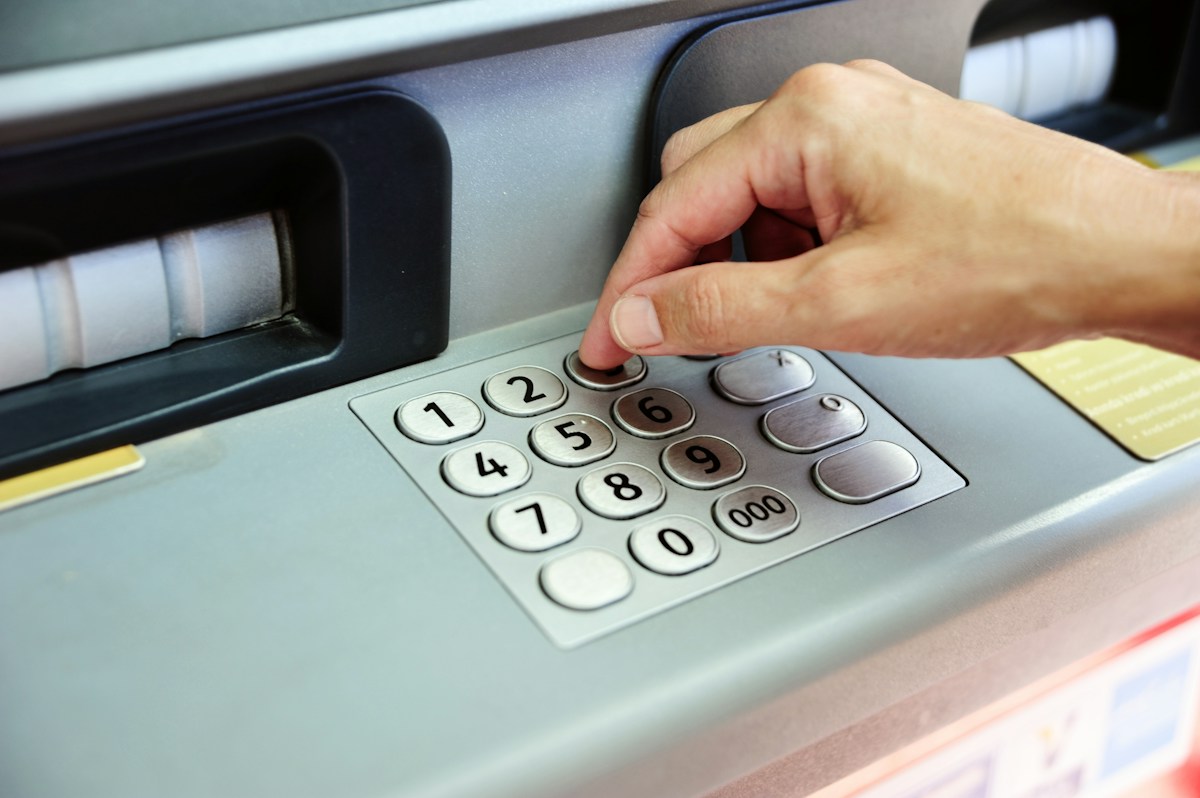
Seven Bank and Japan Post Bank both have strong nationwide coverage, but density still varies by area — worth knowing before you head somewhere less urban.
Prefer cash-to-cash instead of an ATM? Find a machine near you. 1,040+ SMART EXCHANGE locations nationwide — live map, hours, and accepted currencies. Open the Map →