

Japanese yen comes in more denominations than most travelers expect. Here’s what each one looks like, what’s changed recently, and the mix-ups we see most often.
Banknotes at a Glance
Denomination | Color | New Design (2024–) | Previous Design |
|---|---|---|---|
¥1,000 | Blue | Kitasato Shibasaburo | Hideyo Noguchi |
¥5,000 | Purple | Tsuda Umeko | Ichiyo Higuchi |
¥10,000 | Brown | Shibusawa Eiichi | Yukichi Fukuzawa |
¥2,000 (rare) | Green | Not redesigned | Shureimon Gate, Okinawa |
Coins at a Glance
Denomination | Material / Color | Hole? | Notable Feature |
|---|---|---|---|
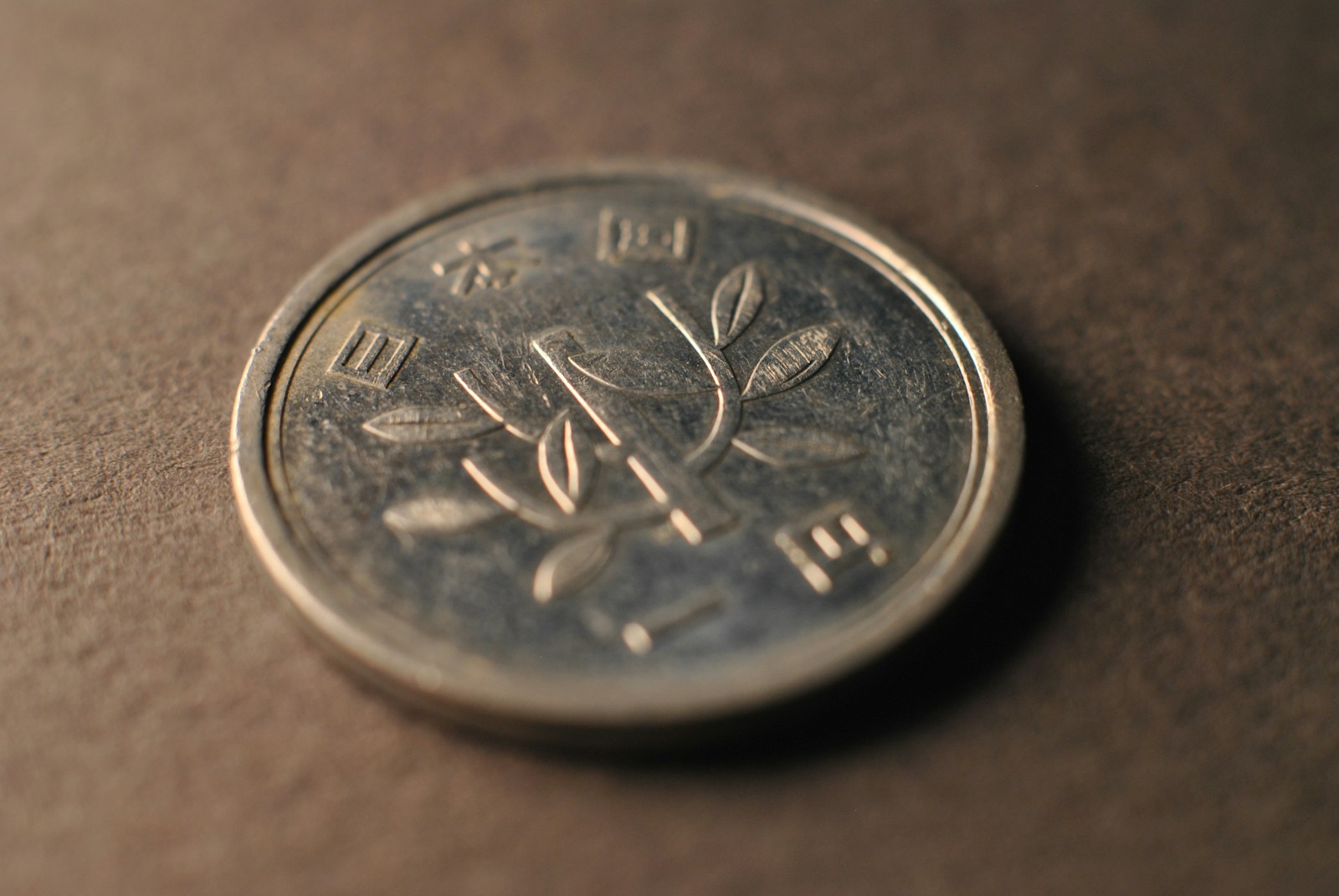
¥1 | Aluminum, silver | No | Lightest coin, almost weightless |
¥5 | Brass, gold | Yes | Only gold-colored coin with a hole |
¥10 | Bronze, copper | No | Most common “copper” coin |
¥50 | Nickel, silver | Yes | Only silver coin with a hole |
¥100 | Nickel, silver | No | Cherry blossom design |
¥500 | Nickel-brass, gold | No | Largest and heaviest coin |
Mix-Ups We See All the Time
As people who handle Japanese cash for a living, we watch travelers make the same handful of mix-ups constantly. Knowing them in advance saves a moment of confusion at the register:
¥1 vs ¥10 — both are small and roundish, but ¥1 is nearly weightless silver aluminum, while ¥10 is a heavier, distinctly bronze/copper color.
¥5 vs ¥50 — both have a hole in the middle, but ¥5 is gold-colored and ¥50 is silver-colored.
¥5,000 vs ¥10,000 notes — similar size and easy to grab the wrong one from a full wallet. Check the printed numeral, not just the general color, especially with old and new designs mixed together.
New vs old ¥1,000 notes — both are blue, but the portrait changed from Hideyo Noguchi to Kitasato Shibasaburo. A quick glance at the portrait confirms which version you’re holding.
New vs Old Banknotes: Are Both Valid?
In July 2024, Japan introduced redesigned banknotes for the ¥1,000, ¥5,000, and ¥10,000 denominations, with updated portraits and enhanced security features, including a 3D hologram portrait that shifts as you tilt the note.
Both the new and previous designs remain legal tender, and Japan has a long history of keeping older designs valid for decades after a redesign. You don’t need to seek out new notes specifically — whatever you’re handed at an ATM, exchange machine, or in change is valid to spend.
Why You’ll End Up With More Coins Than Expected
Japan uses coins more heavily than many other countries. Vending machines, temple donation boxes, and a general culture of paying exact change (rather than rounding to the nearest bill) mean coins accumulate quickly in your pocket. A small coin purse, or using the small tray provided at most checkout counters, makes this far more manageable than trying to sort coins by feel in a pocket.
When You’re Not Sure What You’re Holding
If you’re still getting comfortable telling denominations apart by sight, exchanging at a machine rather than always relying on change from a cashier has a small but real advantage: you receive an exact, itemized amount on a clear display, rather than needing to identify a handful of coins and notes handed back quickly at checkout.
Your Region Might Affect What You See First
Coins and notes are identical nationwide, but where you land and shop can affect how quickly you get comfortable — busier tourist areas tend to make change more slowly and clearly, while local shops move faster.
Want exact, itemized cash? Find a machine near you. 1,040+ SMART EXCHANGE locations nationwide — live map, hours, and accepted currencies. Open the Map →