

We looked stall by stall — here’s exactly which vendors take cards and which want cash only.
The Market’s Two Faces
Larger seafood restaurants and sit-down spots — increasingly card-friendly, some accept IC cards as well
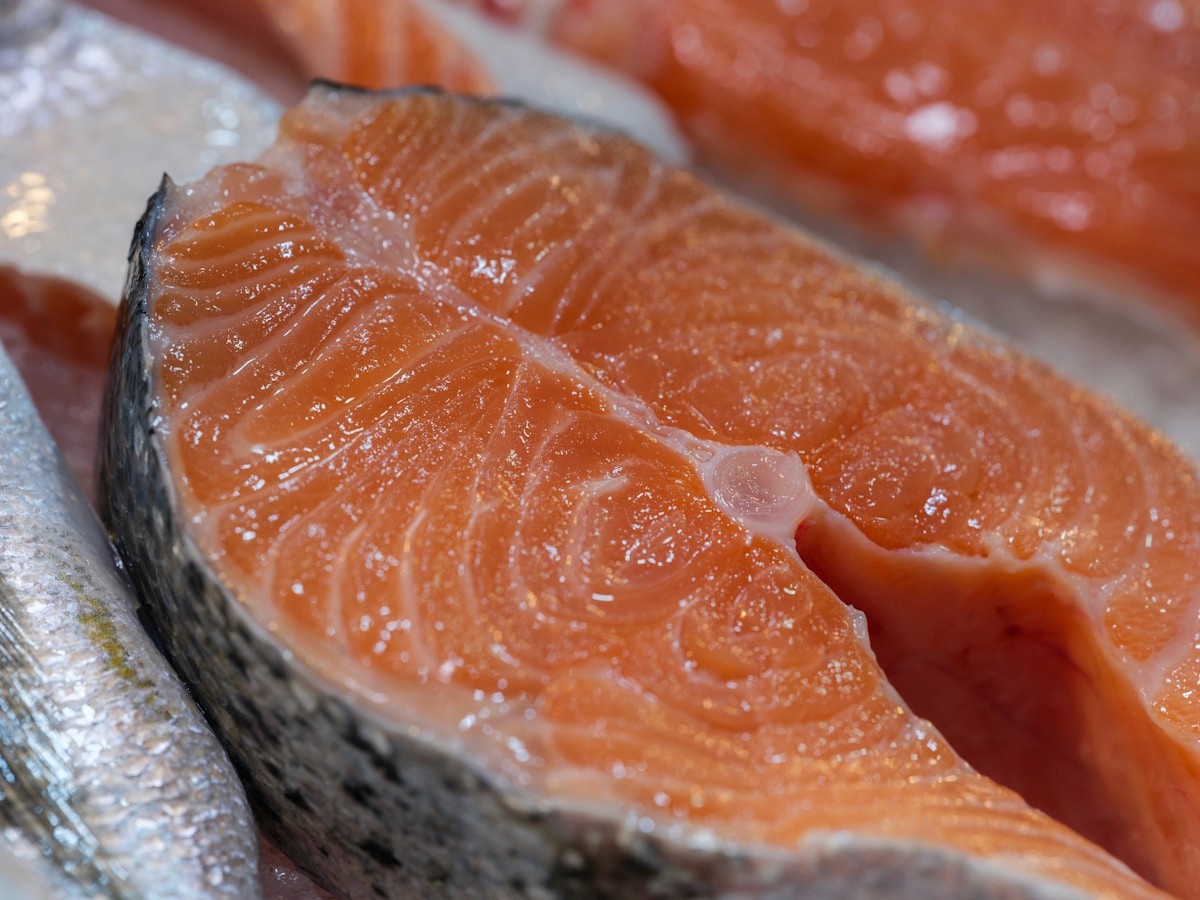
Street food stalls (skewers, tamagoyaki, seafood on sticks) — mostly cash-only, since quick, small transactions don’t favor card readers
Specialty shops (knives, dried goods, tea) — genuinely mixed, worth checking before you commit to a purchase
Why the Market Is a Mixed Bag
Since the main wholesale market relocated to Toyosu in 2018, the Outer Market’s remaining shops have adapted in different directions — some modernized with tourists and cards in mind, others kept running exactly as they always have. The result is a genuine patchwork rather than a consistent rule you can apply to the whole market.
A Simple Way to Tell
Look for card network stickers (Visa, Mastercard, JCB) near the register before you order — if you don’t see one, assume cash-only rather than asking and holding up a line. Street food stalls in particular, and anything selling quickly to a moving crowd, skew heavily toward cash.
How Much Cash to Bring for a Market Visit
A grazing morning of street food and small purchases often runs somewhere in the ¥2,000–4,000 range, more if you’re buying specialty goods like knives or tea to take home.
→ How Much Cash Should You Bring to Japan? A Budget Guide
Our Recommendation
Bring cash regardless of what’s in your wallet otherwise — it’s not worth walking past a stall you wanted simply because you didn’t have cash on hand. The market rewards a bit of preparation more than most tourist destinations.
→ Cash vs Card in Japan: What Actually Works Where
More on Tokyo
This guide is part of our broader look at managing money in Tokyo specifically.